Producer
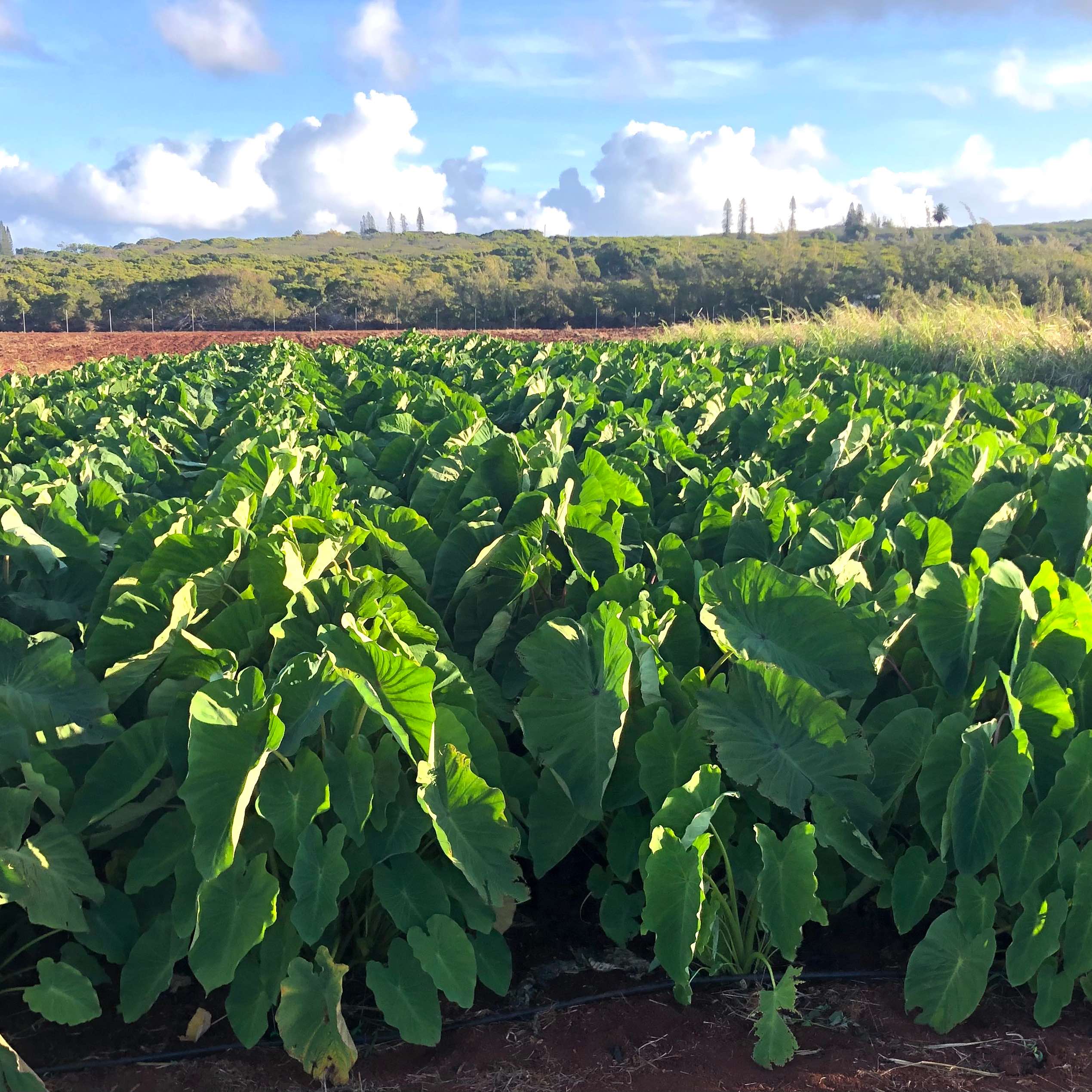
We are Jane and Glenn Teves and we are Hawaiian Homesteaders on the island of Molokai in the windy fertile crescent of Hoolehua. Our farm is named after the Hawaiian Prickly Poppy that grows on our homestead. Our families have been farming throughout Hawaii for 20 generations. We started our family and farming together in 1987, growing taro, vegetables, and tropical fruits including avocado, papaya, and banana. We also focus on subsistence, growing a large variety of vegetables for home use. Our 10-acre farm is located at 700 feet elevation, and our rainfall ranges from 40-60”. Our temperatures can range from the mid 50’s in winter to a high of the mid 90’s on a few occasions in summer. We utilize a wide range of farm inputs in a hybrid system utilizing conventional and organic inputs including manure, biochar, worm castings and high phosphorus and calcium, two nutrient lacking in our Lahaina series soil. We started growing vegetable seeds in 2011 after attending the first Hawaii Public Seed conference in Kona, and have planted seed crops in each season to learn and identify the best crops for our location. We have produced over 50 varieties of seeds, including vegetables, herbs, and flowers. Our climate is ideal for growing a variety of seeds due to a cool winter, and a usually predictable hot, dry summer, although climate change is upon us. Creating resilient varieties for our tough, windy environment and changing weather is our passion, especially lettuce, Ethiopian kale, mountain spinach, tomatoes, squash, mustards, and many others. Through partnerships with committed farmers in Hawaii and also on the mainland, we develop tropically-stressed, heat-tolerant, and disease-resistant selections with broad adaptation.
Growing Methods - organic and conventional depending on nutrient status of field. Healthy fields use organic fertilizers. Low nutrient fields use conventional fertilizer to build then shift to organic. Itʻs a hybrid system - organic, conventional and regenerative. Fertilizers Used - Chicken manure, biochar, worm castings, lime, gypsum, fish meal, fish emulsion. Low nutrient fields utilize 10-52-0, lime or gypsum depending on calcium and pH status. Also add mycorrhiza by mixing it in the potting mix along with biochar, lime, fish meal, and chicken manure pellets. We add time release fertilizer such as osmocote and nutricote to our potting mixes. Pest Control Practices - Minimal natural-Safers soap or crop oil, diatomaceous earth, Neem oil, Spinosad, fruit fly traps/phermones/torula yeast, BT . Our Approach to Land Stewardship and Food Production - Crop rotation, fallow/resting, allow grasses to overtake fields to generate organic matte then mow and allow for breakdown. Monitor Calcium & Phosphorus which is limiting factor in Hoolehua. We have three goals for production: subsistence + sharing, commercial, and seed production.